The Hidden Stress of the "Leaky Bucket" Business Model
Imagine spending all your energy and money pouring water into a bucket, only to realize the bucket has huge holes in the bottom. You work harder and faster, but the water just keeps disappearing.
This is exactly how most business owners feel today. They spend thousands of dollars on ads to get new customers, but those customers buy once and never come back.
It feels like a never-ending race where you are always running but staying in the same place. This cycle creates a constant state of worry. You wake up wondering if you will have enough sales tomorrow.
You feel like you are at the mercy of social media algorithms and rising ad costs. It is a tiring, stressful way to run a company that eventually leads to burnout.
Why does this happen so often? Why do smart people struggle to keep their businesses profitable?
- The Trap of New Leads: Most people are taught that "more traffic" is the only answer to growth.
- Rising Costs: Ad prices go up every month, making it harder to make a profit from a single sale.
- Wrong Focus: Business owners spend 90% of their time finding new people and almost 0% keeping the ones they already have.
- Bad Advice: Many "gurus" talk about quick wins and viral hacks instead of building a solid foundation.
- Data Overload: People get lost in complicated spreadsheets and forget that customers are real human beings with feelings.
This struggle does more than just hurt your bank account. It eats away at your mental peace.
When you don't know if your customers will return, you can't plan for the future. You feel stuck in a "survival mode" rather than a "growth mode."
- Loss of Confidence: You start to doubt if your product is actually good enough.
- Decision Fatigue: Constant worrying about the next sale makes it hard to think about big-picture goals.
- Anxiety: Seeing your hard-earned money go to big tech companies for ads that don't stick feels like a defeat.
- Lack of Freedom: Instead of the business serving you, you become a slave to the hunt for new clicks.
The truth is, you don't need a million new customers to be successful. You need to make sure the customers you already have stay with you for a long time.
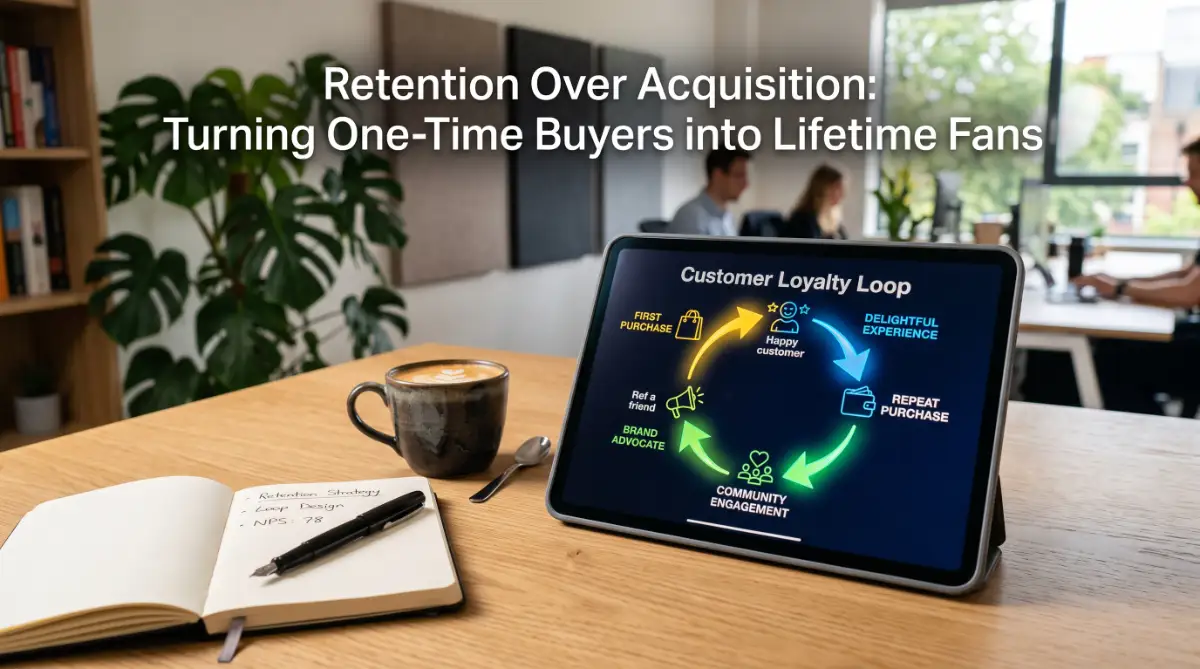
This is where Customer Lifetime Value (CLV) comes in. It is the bridge between a struggling startup and a thriving, wealthy brand.
When you focus on CLV, you stop looking at a customer as a one-time $50 bill. Instead, you see them as a partner who might bring in $5,000 over the next five years.
This change in mindset changes everything about how you work, how you talk to people, and how you grow.
The Simple Roadmap to Growing Your Customer Value
To fix the "leaky bucket" and start seeing real growth, you need a plan that actually works. You don't need fancy software or a PhD in math. You just need to focus on the right things.
Let's look at the first few steps to mastering this.
Step 1: Learn Who Your "Best" People Really Are
Not every customer is created equal. Some people will buy from you once and complain the whole time. Others will buy from you for years and tell all their friends about you.
To grow your CLV, you must find these "star" customers.
Look at your past sales. Who has bought from you more than twice? What do they have in common? Maybe they all live in the same area, or maybe they all bought the same first product.
When you know who stays the longest, you can spend your time finding more people just like them. This makes your marketing much cheaper and much more effective.
Step 2: Create a "Wow" First Experience
The first time someone buys from you is the most important moment in their journey. If they have a bad or "just okay" experience, they will never come back.
If you want them to stay for a lifetime, you have to blow them away right from the start.
Think about how you feel when you get a surprise gift or a handwritten thank-you note. It makes you feel special. You can do the same for your customers. Send them a helpful "how-to" guide after they buy.
Give them a discount for their next purchase before they even ask. These small touches build trust. Trust is the secret ingredient that turns a stranger into a loyal fan.
Step 3: Build a Communication Loop
Many businesses make the mistake of "ghosting" their customers after the sale. They get the money and then disappear until they have something else to sell.
This is a huge mistake. If you want a high CLV, you need to stay in touch without being annoying.
Send regular emails that actually help them. Share tips, stories, or behind-the-scenes looks at your business. Ask for their feedback and actually listen to it.
When people feel heard and valued, they stay. It is much easier to sell to someone who already knows, likes, and trusts you than it is to convince a stranger to open their wallet.
Myth vs. Reality: The Truth About CLV

Pro Tip: Focus on the "Second Sale"
The hardest sale to get is the first one. The most important sale is the second one. Once a customer buys a second time, the chance of them buying a third and fourth time goes up by over 50%.
Always have a plan for what you want a customer to do after their first purchase.
Why This Matters for Your Future
Think about where you want to be in a few years. Do you want to still be chasing every single click? Or do you want a group of loyal people who support you no matter what?
By focusing on Customer Lifetime Value, you are building an asset. You are creating a business that is stable, predictable, and profitable.
You can finally stop worrying about the "holes in the bucket" because you have learned how to mend them. This is how you win in the long run.
In the next part of this guide, we will look at more advanced ways to keep your customers happy and how to use simple math to predict your future earnings.
But for now, start by looking at your current customers. Treat them like gold, because they are the foundation of your future growth.
Your business is not just about products; it is about people. When you take care of the people, the profits take care of themselves.
This is the heart of true entrepreneurship. Stay focused, stay kind, and keep building those relationships.
Beyond the Basics: Taking Your Business Growth to the Next Level
Once you understand the basic idea of keeping customers around, it is time to look at the "pro" level moves. Many business owners stop at just being "nice" to their customers.
While being nice is good, it is not a complete strategy. To truly see your profits grow without spending more on ads, you need a system that works while you sleep.
One of the most powerful things you can do is create a tiered reward system. Think about your favorite coffee shop or airline. They don't treat every person exactly the same.
They have levels. When you spend more or stay longer, you get "VIP" treatment. This isn't about being unfair; it is about rewarding loyalty.
When people feel they are "climbing" a ladder with your brand, they are less likely to leave for a competitor. They have "skin in the game." You can start this by simply identifying your top 10% of customers. Send them something exclusive.
It could be an early look at a new product or a special "insider-only" guide. This makes them feel like part of an elite club.
Another secret is predictive helping. This means you know what your customer needs before they even ask for it. If you sell skin care and a customer buys a 30-day supply of moisturizer, you should reach out around day 25.
Don't just try to sell them again. Ask them how their skin feels. Offer a small tip on how to use the product better. When you validate your small business idea early on, you should already be thinking about these follow-up steps.
Turning Data Into Real Human Conversations
Data can feel cold and robotic. Many people get scared when they hear the word "analytics." But really, data is just a way to listen to your customers at scale.
If you see that people stop buying after their third month, that is a message. They are telling you that something is missing at that specific time.
Maybe they get bored. Maybe they feel they have learned everything you have to offer. Use this information to change your approach.
You could introduce a "Level 2" product or service specifically for people at that stage. This keeps the relationship fresh. It prevents the "stale" feeling that leads people to look elsewhere.
Also, remember that understanding the impact of keyword research is not just for Google. It helps you understand the language your customers use.
When you use their own words in your emails and messages, they feel like you truly "get" them. This emotional connection is the strongest bond you can build.
It is what keeps them coming back even if your prices are a bit higher than the shop down the street.
How to Maintain These Results for the Long Run
Growing your Customer Lifetime Value (CLV) is not a one-time project. It is more like a garden. If you stop watering it, the plants will die.
To keep your results high, you need to set up a "Maintenance Mode." This doesn't have to take hours of your day. It just requires a small amount of consistent effort.
- Quarterly Reviews: Every three months, look at who your most active customers are. Has the list changed? Why?
- Surprise and Delight: Set aside a tiny budget to send random "thank you" gifts. It doesn't have to be expensive. A digital gift card or a shout-out on social media works wonders.
- The Feedback Loop: Make it incredibly easy for people to complain. Yes, you read that right. You want their complaints because a complaining customer is still talking to you. It is the quiet customers you should worry about.
- Educational Content: Keep teaching your customers. When you show them how to get more value out of what they already bought, they feel they are getting a "deal" every single day.
For example, if you are a consultant helping people with money, you might share a guide on how to create a realistic monthly budget.
Even if they aren't paying you for that specific guide, it proves you are an expert who cares. This builds a "bank of goodwill" that you can draw from later.

The Invisible Traps: Why Most Businesses Fail at Retention
Even with the best intentions, it is very easy to mess this up. I have seen many businesses start a loyalty program only for it to fail in six months.
Usually, it is because they fall into one of these five common traps. If you want to stop the money leak in your own business, you must watch out for these pitfalls.
1. The "Auto-Pilot" Mistake
Some owners set up an automated email sequence and never look at it again. Over time, those emails become outdated.
They might mention products you no longer sell or use a tone that doesn't fit your brand anymore.
Customers can smell a "robot" from a mile away. If your messages don't feel fresh and personal, people will hit the "unsubscribe" button.
2. Over-Promising and Under-Delivering
This is the fastest way to kill a relationship. If you tell a customer they will get "VIP support" but then it takes three days to answer their email, they will feel lied to.
It is always better to promise something small and give them something big. Reliability is the foundation of lifetime value. If you can't do it consistently, don't offer it.
3. Ignoring the "Quiet" Customers
We often spend all our time on the people who shout the loudest. We fix their problems and give them discounts. But the majority of your customers are likely sitting in the middle.
They are happy but not "excited." If you ignore them for too long, they will drift away. A simple "thinking of you" message can be enough to pull them back into the fold.
4. Making it Too Complicated
I once saw a loyalty program that had a 10-page rulebook. No one has time for that! If your customers have to do math to figure out how many "points" they have, they won't bother. Keep your rewards and your communication simple.
According to experts at Harvard Business Review, reducing friction is one of the best ways to keep customers loyal. If it's hard to stay, they will leave.
5. Focusing Only on the Sale
If every time you contact a customer you are asking for money, they will start to avoid you. Imagine having a friend who only calls when they need to borrow $20.
You would stop answering their calls eventually. You need to provide value without asking for anything in return. This is how you build a real brand that people love.
Your 30-Day Action Plan for Massive Growth
You have read a lot of information today. It might feel a bit overwhelming. But you don't have to do everything at once. In fact, it is better if you don't.
Let's break this down into a simple plan you can start tomorrow. This isn't just about theory; it's about taking real steps toward a more stable business.
Week 1: The Audit
Look at your sales from the last few months. Find five people who have bought from you more than once. Reach out to them personally.
Ask them one question: "What is the one thing we do that makes you come back?" Their answers will be your secret weapon.
Week 2: The Small Fix
Look for one "friction point" in your customer journey. Is your checkout process too long? Is your welcome email boring?
Fix just one thing. Make it smoother and more friendly. Small wins lead to big changes over time.
Week 3: The Value Drop
Create one piece of helpful content that has nothing to do with selling. It could be a tip, a video, or a checklist. Send it to your entire list for free. Don't include a "buy now" button.
Just give. This builds immense trust and resets the relationship.
Week 4: The Reward
Create a simple "Thank You" offer for your repeat customers. It doesn't have to be a big discount. It could be a free consultation or a small add-on. Show them that you notice their loyalty and that you appreciate it.
You have the power to change the direction of your business. You don't have to be a victim of high ad costs or changing markets.
When you focus on the people you serve, you create a foundation that can't be shaken.
Business is about more than just transactions; it is about human connection. By valuing your customers for their lifetime and not just their next purchase, you are building something that will last. Start today.
Pick one customer, reach out, and show them they matter. You will be surprised at how quickly your business starts to feel lighter and more profitable.
Remember, the goal is not to have a million customers. The goal is to have a group of people who couldn't imagine going anywhere else. That is true business success.
Disclaimer: The information provided in this article is for educational and informational purposes only. While we strive for accuracy, business results can vary based on individual effort, market conditions, and industry types.
Always consult with a professional advisor before making significant financial or strategic changes to your business.