The Invisible Threat Hiding in Your Favorite Sunny Days
We all love the feeling of warm sunlight on our faces. Whether you are playing soccer, gardening, or walking along the beach, the sun feels like a friend.
However, that warmth hides a powerful energy that can quietly damage your body. Many people enjoy their time outside only to face a painful reality later that evening. A bright red burn is more than just a temporary sting.
It is a loud alarm from your skin cells saying they have been hurt. The pain of a sunburn can make it hard to sleep or even wear a simple shirt.
But the real struggle is what happens under the surface over several years. You might start to notice spots or wrinkles that make you look much older than you feel.
It is heartbreaking to see your skin lose its natural glow. This damage often leads to a loss of confidence and deep worry about long-term health issues like skin cancer.
Why Most People Fail to Block the Sun Effectively
Even when we try to stay safe, many of us make simple mistakes. These errors happen because there is so much confusing information out there.
- The "Once-a-Day" Mistake: Most people think applying sunscreen in the morning is enough for the whole day. In reality, the protection wears off after just two hours of movement or sweat.
- Trusting the Clouds: We often let our guard down when the sky is gray. The Skin Cancer Foundation warns that 80% of UV rays can pass through clouds and hit your skin.
- Using Too Little Product: Most users only apply a tiny amount of cream. You actually need a full ounce to cover your body properly, which is about the size of a golf ball.
- Ignoring Expiration Dates: Sunscreen is not a product that lasts forever. If the bottle is old, the chemicals inside stop working, leaving you completely unprotected.
How Sun Damage Affects Your Peace of Mind
Living with damaged skin causes more than just physical pain. It creates a mental weight that stays with you every time you step outside.
- Constant Anxiety: You might start to fear the outdoors instead of enjoying it. Every sunny day becomes a source of stress rather than a chance for fun.
- The Struggle with Self-Image: Seeing premature lines or dark "sun spots" in the mirror can hurt your self-esteem. You might feel like you have lost control over how you look.
- Financial Pressure: Trying to "fix" sun damage later in life is very expensive. Professional treatments and creams cost a lot more than a simple bottle of protection today.
We want to help you take that control back. Protecting your skin is about more than just beauty; it is about respecting your body. By changing a few small habits, you can enjoy the sun without the fear.
The reality is that your skin is your first line of defense against the world. It works hard for you every day. Giving it the protection it needs is the best way to say thank you and stay healthy.

Mastering the Art of Outdoor Skin Defense
You don't have to stay inside to keep your skin looking young and healthy. You just need a smarter plan. Let's look at the most effective ways to stay safe while you stay active.
Step 1: Picking the Right Broad-Spectrum Guard
The most important tool in your kit is your sunscreen. But you shouldn't just grab the first bottle you see on the shelf. You must look for the words "Broad-Spectrum" on the label.
This term means the product blocks both UVA and UVB rays. Think of UVB rays as the ones that "Burn" your skin. Think of UVA rays as the ones that "Age" your skin. You need a shield against both to stay truly safe.
Aim for a minimum of SPF 30. While higher numbers like SPF 50 offer a bit more protection, the difference is smaller than you think. The key is not just the number, but how often you put it on.
If you have sensitive skin, you might want to look into why your skin stays dry even after moisturizing the hidden truth. Some chemical sunscreens can be drying. Mineral options with zinc oxide are often better for keeping your skin hydrated and safe at the same time.
Step 2: Respecting the Peak Hours of the Day
Timing is everything when it comes to the sun's power. The UV rays are not the same strength all day long. They are at their most dangerous between 10 AM and 4 PM.
During these hours, the sun is directly overhead. This means the rays have a shorter path through the atmosphere to reach you. If you can, try to schedule your heavy outdoor work or long runs for the early morning.
If you must be out during the middle of the day, seek out the shade. Standing under a tree or an umbrella can reduce your UV exposure by a massive amount. It is a simple way to give your skin a much-needed break.
Think of it like a hot stove. You wouldn't leave your hand near a hot burner for hours. Treating the sun with that same level of respect will keep your skin from "cooking" in the dangerous midday heat.
Step 3: Weaving Protection Into Your Wardrobe
Lotion is great, but your clothes can be even better. A physical barrier is the most reliable way to stop the sun from touching your skin. But not all fabrics are equal.
A thin white t-shirt actually lets a lot of light through. Instead, look for dark colors or tightly woven fabrics. Many modern outdoor companies now sell UPF-rated clothing.
UPF stands for Ultraviolet Protection Factor. A shirt with a UPF 50 rating only allows 1/50th of the sun's UV radiation to reach your skin. This is a game-changer for people who spend all day on the water or in the fields.
Don't forget your head and your eyes. A hat with a wide brim protects your ears and the back of your neck. These are areas where many people develop serious skin issues later in life.
Just like you might learn how to repair a damaged skin barrier using natural ingredients, using the right clothes keeps that barrier from being hurt in the first place. It is a smart, one-time investment for your health.
Why Small Choices Lead to Big Wins for Your Health
It might seem like a lot of work to apply cream and wear a hat every day. But these small actions build up over time. It is like putting money into a savings account for your future.
Every day you protect your skin, you are preventing tiny bits of DNA damage. Over a decade, this means you will look younger and feel better than those who ignored the sun. You are taking charge of your aging process.
Think about the long-term cost. Dealing with a painful burn today is annoying. Dealing with dark spots and leather-like skin in ten years is much harder. We want you to enjoy the sun for your entire life, not just for today.
The Centers for Disease Control and Prevention (CDC) notes that skin cancer is a major health concern. But the good news is that most cases are preventable. Your daily habits are your strongest weapon against this disease.
Real-Life Scenarios: Adapting to Your Environment
Imagine you are going for a long bike ride. The wind feels cool, so you don't feel the heat of the sun. This is a trap that leads to many bad burns. The wind cools your skin, but it does nothing to stop the UV rays.
In this case, you need a sweat-resistant sunscreen that won't run into your eyes. You also need to protect the backs of your hands, as they are always facing the sky on the handlebars.
What if you are at the beach? The sand and the water reflect the sun back up at you. This means you are getting hit with rays from above and from below at the same time.
In this environment, you need to be twice as careful. Reapply your protection every time you come out of the water. Even if the bottle says "waterproof," the towel you use to dry off will rub most of the cream away.
Staying Hydrated from the Inside Out
We often focus so much on what we put on our skin that we forget what we put in our bodies. The sun dries out your entire system. When you are dehydrated, your skin becomes thinner and more prone to damage. Drinking plenty of water helps your skin cells stay strong.
Think of a grape versus a raisin. A hydrated skin cell is plump and can bounce back from stress. A dry cell is shriveled and easily damaged. Keep a reusable water bottle with you during all outdoor activities.
If you feel thirsty, you are already slightly dehydrated. Sip water constantly to keep your internal cooling system working at its best.
This habit also helps your body recover if you do get a little too much sun. It flushes out toxins and helps the healing process start faster. It is a simple, free way to support your skin's natural defense.

The Power of a "Sun-Safe" Routine
Consistency is the most important part of any health plan. If you only use sunscreen on your vacation, you are missing the point. The sun hits you while you are driving your car or walking the dog.
Try to keep a small bottle of sunblock in your bag or by the front door. Make it as natural as brushing your teeth. When it becomes a habit, you won't even have to think about it anymore.
You can even use technology to help you. Many weather apps now show the "UV Index" for your specific area. Check this number every morning so you know how much protection you need for the day.
Taking these steps shows that you value yourself. It is a form of self-care that pays off every single day. You deserve to feel good in your skin, and these tips are the map to getting there.
Advanced Strategies for Long-Lasting Skin Health
Protecting your skin is not just about what you rub on your face. It involves a mix of smart choices, internal health, and expert secrets.
According to medical experts at Mayo Clinic, the best defense is a layered approach. This means combining your products with smart timing and lifestyle changes.
If you have ever wondered why your skin stays dry even after moisturizing the hidden truth, it could be because of hidden sun damage. Unprotected skin loses its ability to hold water over time.
Studies on Healthline suggest that even small amounts of daily sun add up. This is why these advanced tips are so important for your future self.
Step 4: Fueling Your Body with Sun-Defending Nutrients
What you eat plays a huge role in how your skin reacts to the sun. Some foods act like a "natural sunscreen" from the inside out.
Focus on foods high in antioxidants, such as Vitamin C and Vitamin E. These nutrients help your cells fight the stress caused by UV rays.
Think of antioxidants like a tiny repair crew inside your skin. They fix the small bits of damage before they turn into bigger problems like wrinkles or dark spots.
Berries, tomatoes, and leafy greens are excellent choices for your daily diet. These foods help you repair a damaged skin barrier using natural ingredients from the inside.
Healthy fats are also important for skin strength. Omega-3 fatty acids found in fish or walnuts help keep your skin supple and strong.
A strong skin barrier is much better at reflecting heat and staying hydrated. When your body is healthy on the inside, your skin looks better on the outside.
Step 5: Master the "Shadow Rule" for Instant Safety
There is an easy trick to know when the sun is most dangerous. It is called the Shadow Rule.
Look at your shadow while you are standing outside. If your shadow is shorter than you are, the UV rays are at their strongest.
This usually happens in the middle of the day. If your shadow is tall, the rays are hitting you at an angle and are less intense.
This simple rule helps you decide when to seek shade immediately. It is a great tool for kids and families to use during a day at the park.
You don't need a special app to stay safe. Just look at the ground and let your shadow guide your choices.
This habit is just as important as your 7 easy daily habits to transform your sleep quality forever. Both involve small steps that lead to a much better life over time.
Choosing Between Mineral and Chemical Shields
Not all protection works in the same way. There are two main types of sunscreens: physical and chemical.
Physical (mineral) shields sit on top of your skin. They use ingredients like zinc oxide to bounce the sun's rays away like a mirror.
Chemical shields soak into your skin. They turn the UV rays into heat and then release that heat from your body.
Physical shields are usually better for people with sensitive or reactive skin. They start working the moment you put them on, so you don't have to wait.
Chemical shields are often thinner and better for wearing under makeup. However, you must apply them twenty minutes before going outside so they can absorb properly.
Knowing the difference helps you choose the right product for your specific activity. If you are going for a quick walk, a mineral stick might be the fastest option.
How to Maintain Professional Results for a Lifetime
Consistency is the secret that skin experts never stop talking about. You cannot protect your skin once and expect it to stay healthy for a month.
Treat your skin care like a daily routine, just like brushing your teeth. If you make it easy, you are more likely to stick with it every single day.
Keep your products in a place where you can see them. This reminds you to use them before you walk out the door.
If you travel often, keep a small "go-bag" with your sun gear. This prevents you from being caught without protection during a surprise trip or an outdoor meeting.
Your skin is a living organ that never stops changing. It needs constant care to stay at its best.
Long-term success also means checking your skin for changes. Once a month, look for new spots or moles that seem different.
Early detection is just as important as prevention. If you see something unusual, talk to a professional right away.
Think of your skin as a beautiful garden. If you water it and protect it from the wind, it will bloom for many years.
Five Dangerous Mistakes to Stop Making Immediately
Many people think they are being safe when they are actually leaving themselves open to damage. These common pitfalls can lead to serious health issues if you don't fix them.
1. Relying Only on the SPF in Your Makeup
Many foundations and powders say they have SPF 15 or 20. This sounds great, but it is rarely enough to protect you all day.
You would have to wear a very thick layer of makeup to get the full protection listed on the bottle. Most people only use a thin layer that wears off quickly.
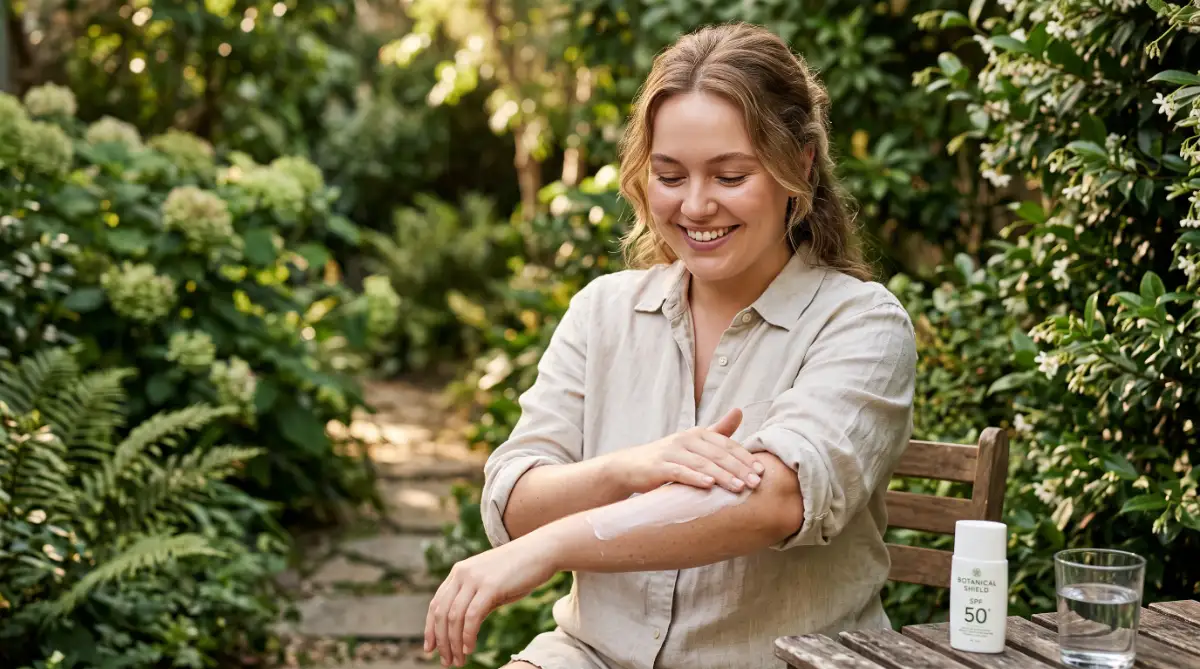
Always apply a real layer of sunscreen under your makeup. This ensures you have a solid shield that doesn't depend on your beauty products.
2. Forgetting the "Hidden" Spots on Your Body
We usually remember our faces and arms, but the sun doesn't stop there. People often forget the tops of their ears and the back of their necks.
The tops of the feet are another area that gets hit hard, especially if you wear sandals. These spots are very sensitive and can burn painfully.
Don't forget your scalp, especially where your hair parts. A quick spray or wearing a hat is the only way to keep your head safe from deep damage.
3. Thinking a "Base Tan" Protects You
Some people try to get a light tan before a big vacation. They believe this "base tan" stops them from getting a real sunburn later.
This is a complete myth. A tan is actually a sign that your skin has already been damaged by UV rays.
It provides almost zero protection against future burns. Every time your skin changes color from the sun, you are increasing your risk of aging and disease.
4. Using Sunscreen That Has Expired
Sunscreen has active chemicals that lose their power over time. Most bottles are only good for about three years.
If you leave a bottle in a hot car, it will expire even faster. The heat breaks down the ingredients that block the sun.
Check the date on your bottle every season. If it smells funny or the texture has changed, throw it away and get a fresh one.
5. Skipping Protection on Cloudy or Cold Days
As we mentioned before, clouds do not stop UV rays. Neither does cold weather.
You can get a severe sunburn while skiing in the snow because the white surface reflects the light. The same thing happens on a cloudy day at the beach.
The sun's energy is there even when you can't feel the heat. Make it a rule to wear protection whenever you will be outside for more than fifteen minutes.
The Real Risks of Ignoring These Warnings
If you continue to make these mistakes, the damage will show up eventually. It might start as small freckles, but it can turn into much deeper problems.
Deep wrinkles and leathery skin are hard to treat once they appear. They happen because the sun breaks down the collagen that keeps your skin bouncy and firm.
Dark spots, often called "liver spots," are also a sign of long-term sun stress. These can make your skin look uneven and tired.
The most serious risk is the change to your DNA. When UV rays hit your cells, they can cause mutations that lead to skin cancer.
Protecting yourself today is the only way to avoid these scary outcomes. It is a simple choice that changes your whole future.
Your Bright and Healthy Future Starts Today
Taking care of your skin is one of the best things you can do for yourself. It is a sign of respect for your body and your health.
You now have the knowledge to stay safe during any outdoor activity. From picking the right cream to using the shadow rule, you are ready for anything.
Don't wait for a bad burn to start these habits. Begin today, even if you are just going for a short walk around the block.
Your skin will look younger, feel smoother, and stay healthier for decades. You will have the confidence to enjoy every sunny day to the fullest.
There is so much beauty in the world to see and experience. You deserve to enjoy it without worrying about the hidden dangers of the sun.
Share these tips with the people you love. Helping your friends and family stay safe is a wonderful gift.
Go outside and breathe the fresh air. Feel the grass under your feet and the wind on your face.
With your new sun-safety routine, the outdoors is your playground. You are protected, you are prepared, and you are ready for a lifetime of adventure.
Stay safe, stay healthy, and keep glowing!
Disclaimer: This content is for informational purposes only and does not constitute professional medical advice. Always consult with a qualified dermatologist or healthcare provider for personalized skin care recommendations and medical concerns. We are not responsible for any issues resulting from the use or misuse of the information provided in this post.