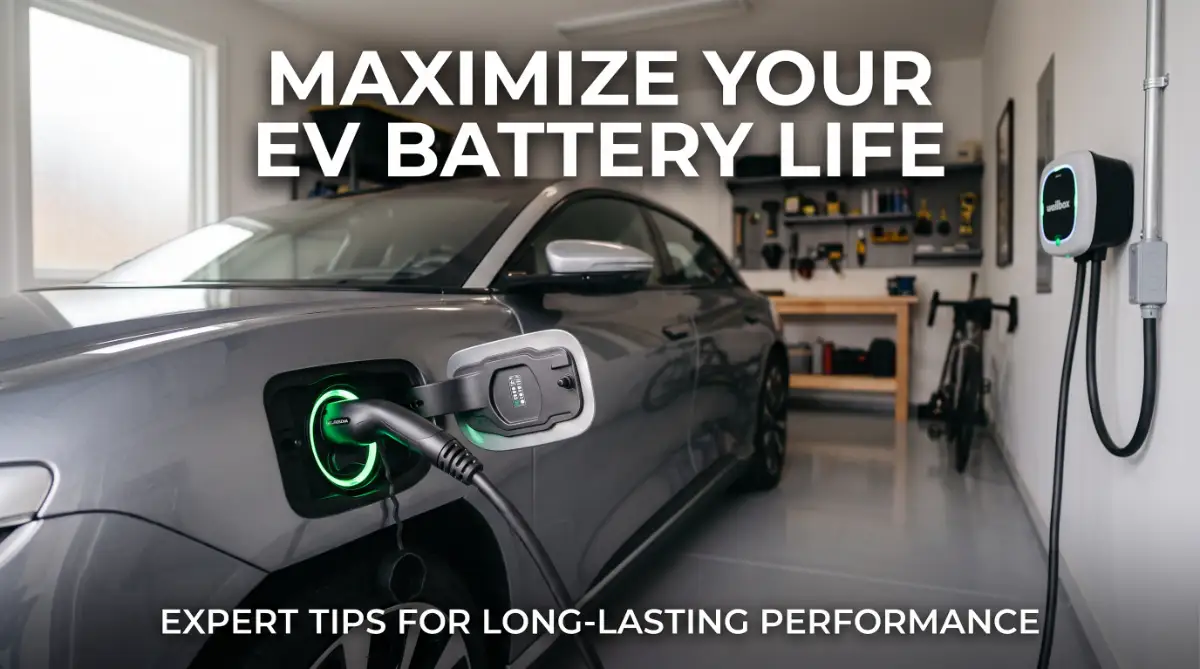
The Invisible Fear: Is Your Home EV Charging Setup a Risk?
Buying an electric vehicle is an exciting step toward a cleaner future. You bring the car home, plug it in, and feel great about skipping the gas station. But as you sleep, a high amount of electricity flows into your garage for hours.
Many new EV owners feel a quiet sense of worry. You might wonder if your old house wiring can handle the constant heat. Or maybe you have seen news reports about battery fires and wonder if you are at risk.
This fear is real because high-voltage charging is not the same as plugging in a toaster. It is a heavy load that tests every wire and connection in your home. Ignoring the small signs of trouble can lead to big problems.
The Danger of Bad Advice and DIY Shortcuts
Why do so many people struggle to feel safe with home charging? It usually starts with poor information or trying to save a few dollars on installation.
- Many drivers use basic extension cords because they don't want to pay for a dedicated outlet.
- Homeowners often listen to "handy" neighbors instead of licensed electricians who know local codes.
- People assume that if a plug fits into a wall, it is automatically safe for 10 hours of heavy use.
- Buyers sometimes choose the cheapest, uncertified chargers from random online sellers.
- There is a lack of understanding about how heat builds up in old electrical sockets over time.
The Mental Burden of Electrical Uncertainty
When you are not sure about your home’s safety, it ruins the joy of owning an EV. You might find yourself waking up at night to check the garage for a burning smell.
- The constant worry about a house fire can lead to significant stress for you and your family.
- You lose confidence in your car, seeing it as a hazard rather than a convenient tool.
- The fear of expensive electrical repairs makes you hesitate to use the car to its full potential.
- It feels like you are sitting on a ticking clock, waiting for something to go wrong with your power.
We know you want to enjoy your new car without checking the breaker box every hour. I am here to help you turn that anxiety into absolute confidence.
By following a clear plan, you can make your home the safest "gas station" you have ever used.
Building a Foundation for Secure Home Power
Safe charging starts before you even plug the car in for the first time. We need to look at your home as a complete system. If one part is weak, the whole system is at risk.
Priority 1: The Dedicated Circuit Requirement
You should never share an outlet with another appliance when charging your car. Think of your EV as a giant sponge that wants all the electricity it can get.
If your charger is on the same circuit as a garage freezer or a power tool, the wires will get too hot. This can trip your breaker or, worse, melt the insulation inside your walls.
A dedicated circuit means those wires only talk to your car. This keeps the flow of power steady and cool. It is the most important step you can take to prevent a residential electrical fire.
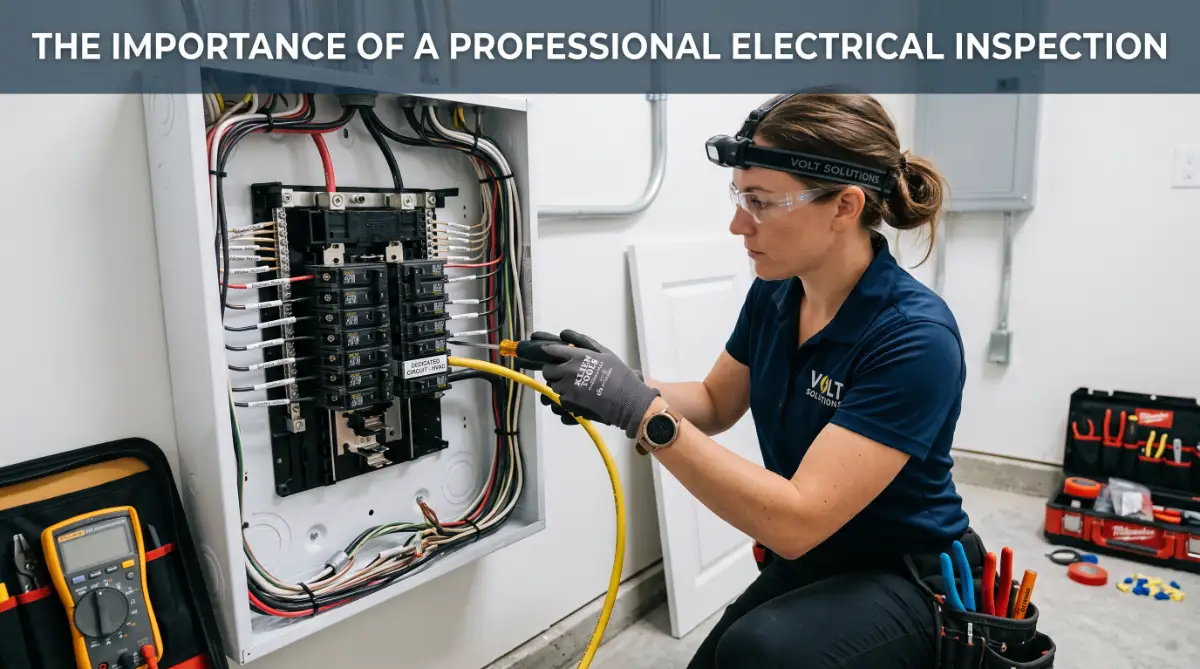
Priority 2: The Power of a Professional Inspection
Your home’s electrical panel was likely designed long before electric cars were popular. Just because your lights turn on doesn't mean your panel can handle a Level 2 charger.
I always recommend hiring an expert to check your load capacity. They will look for loose connections that create "arcing," which is a major cause of heat.
A pro will also check if your house is properly grounded. Without a good ground wire, a power surge could fry your car's expensive computer system.
Protecting your car starts with protecting the path the electricity takes to reach it.
Priority 3: Choosing Certified Charging Equipment
It is tempting to buy a cheap charger from a website you have never heard of. However, your charger is the "brain" that manages the electricity flow.
Look for a label from a testing lab like UL (Underwriters Laboratories) or ETL. These labels mean the device has passed strict safety tests for heat and water resistance.
Certified chargers have built-in sensors that stop the power if they detect a ground fault or overheating.
A non-certified charger might keep pushing power even if the wires are melting. Spending a bit more now on a quality brand is an investment in your home's safety.
The Reality of Heat and Charging Times
Charging an EV creates heat. This is normal, but it must be managed correctly. If your plug feels hot to the touch (not just warm), you have a problem.
Most home fires aren't caused by the car battery itself. They are caused by bad wiring between the wall and the car. Using a standard 120V wall outlet (Level 1) is slow, but it can still overheat an old socket.
If you are using Level 1 charging, make sure the outlet is "hospital grade" or "heavy duty." These outlets have stronger metal clips inside that hold the plug tightly.
A loose plug is a hot plug, and a hot plug is a fire hazard.
Smart Habits for Daily Charging Safety
Once your equipment is perfect, you need to develop safe habits. Simple things can make a huge difference in the long run.
Always inspect your charging cable before you plug it in. Look for cracks in the plastic or any exposed copper wire. If you see a pet has chewed on it, stop using it immediately.
Also, make sure the cable is not a tripping hazard. If people are stepping on it or you are driving over it, the internal wires will break.
This creates resistance, which leads to heat. Keep your cable coiled neatly when you are not using it.
The "No Extension Cord" Rule
This is a rule you should never break. Standard extension cords are not built to carry high current for 8 to 12 hours at a time.
They will get incredibly hot and can melt through carpet or wood flooring. If your cable doesn't reach the car, you must move the car or move the outlet.
There are "EV-specific" extension cords, but even these are risky. Every connection point is a place where heat can build up. One solid, continuous cable from the wall to the car is the gold standard for safety.
Environmental Factors in Your Garage
Where you charge matters just as much as how you charge. You want a dry, clear space around your charging station.
Keep flammable materials like gasoline cans, oily rags, or stacks of paper far away from the charger. While modern chargers are very safe, you want to eliminate any "fuel" that could start a fire if a spark occurs.
If you charge outside, ensure your charger is rated for outdoor use (NEMA 3R or 4). Even then, try to keep it under a cover to protect it from direct rain and heavy snow.
Moisture and high-voltage electricity are a dangerous combination.
Understanding the Role of "Smart" Charging
Many modern chargers allow you to schedule when your car pulls power. This is great for saving money on your electric bill, but it is also a safety feature.
Charging in the middle of the night means the electrical grid is under less stress. Your house is also cooler at night, which helps keep the wires and the car battery from reaching high temperatures.
Using an app to monitor your charging allows you to see if the power level drops or stops. If you see an error message on your phone, you can address it before it becomes a hazard.
This technology gives you a set of eyes on your car even while you are asleep.
The Science of Battery Temperature Management
Your electric vehicle has its own cooling system to keep the battery safe. You might hear fans running while the car is plugged in. This is a good thing.
The car is working to keep the battery in its "happy" temperature range. If the garage is extremely hot, the car has to work harder.
Try to keep your garage ventilated during the summer months. A simple vent or window can help heat escape. A cool battery is a safe battery, and it will also last many more years than one that is constantly overheated.
Expert Insight: The Warning Signs You Shouldn't Ignore
I want you to be able to spot trouble before it happens. Your house will usually give you a warning if something is wrong.
- If you see flickering lights when the car starts charging, your circuit is overloaded.
- A buzzing sound coming from the outlet or the breaker box is a sign of a loose wire.
- Discoloration or brown marks around the outlet means it has already started to melt.
- If your circuit breaker trips more than once, do not just flip it back on. Call an electrician.
These signs are your home's way of telling you that the system is failing. Taking action immediately can save you thousands of dollars in damage. You should treat your charging setup with the same respect you give to your water heater or furnace.
Preparing for the Future of EV Life
As you get more comfortable with your EV, these safety steps will become second nature. You are part of a massive shift in how the world moves.
By doing it correctly, you are setting an example for your neighbors and friends. You are proving that electric cars are a safe, reliable, and smart choice for every family.
In the next part of this guide, we will look at more advanced ways to protect your home. We will talk about common mistakes that even "smart" owners make and how to fix them.
You are on the right path to being a responsible and safe EV driver.
Beyond the Basics: Master-Level Safety Strategies
Setting up your home charging station is a great start. However, if you want to keep your home and car safe for years, you need to go a step further.
Professional EV owners don't just "plug and play." They treat their charging setup like a high-performance engine that needs care.
One secret to long-term safety is installing a whole-house surge protector. While your charger might have its own small fuse, it is not enough to stop a massive power spike from a nearby lightning strike.
A surge can travel through your house wires and fry the expensive circuit boards inside your car. Most people forget that car repairs for electrical damage can cost thousands of dollars.
You also need to think about how you handle the charging port on your car. Over time, dust, spider webs, or even small bits of metal can get stuck inside the charging port.
If you force the plug into a dirty port, you might create a "hot spot" where the electricity cannot flow easily.
Every few months, use a flashlight to look inside the port and use compressed air to clean phone charging port safely or use a similar method for your car's charging pins.
The 80% Rule for Heat Management
Electrical circuits are like people; they don't like to run at 100% capacity for a long time. In the world of electricity, there is something called the "continuous load rule."
If you are drawing power for more than three hours, you should only use 80% of the circuit's rated capacity.
For example, if you have a 40-amp circuit, your charger should be set to draw only 32 amps. This leaves a "safety buffer" so the wires don't stay at their maximum heat limit.
Most smart chargers allow you to adjust this setting in an app. By lowering the amperage just a little bit, you drastically reduce the stress on your home's wiring.
This strategy also helps with the car itself. Keeping the charging speed slightly lower can help with how to properly maintain electric vehicle batteries for maximum longevity. High speed always means high heat, and heat is the silent enemy of both your car battery and your garage walls.
Protecting Your Hardware from the Elements
If your charger is outside, you face extra risks from rain, snow, and sun. Even if your charger says it is "waterproof," the sun is the real killer.
Constant UV rays can make the plastic casing of your cable brittle over time. Once the plastic cracks, moisture can get inside and cause a short circuit.
Try to mount your charger in a shaded spot or use a small "charger roof" to keep it out of the direct sun. If you live in a very cold area, the cable can become stiff like a board in the winter.
Forcing a stiff cable to bend can break the tiny copper strands inside. Always handle the cable gently when it is freezing outside to avoid internal wire damage.
Check the rubber seal around the charging handle every season. If that seal is worn out, rain can seep into the connection point while you are charging.
This can trigger a ground-fault error, stopping your car from charging just when you need it most. A little bit of silicone grease on the seal can keep it soft and watertight for years.
Daily Habits for Constant Protection
The best safety system in the world won't work if you are not paying attention. Make it a habit to feel the wall plug once a week while the car is charging. It should be warm, but never so hot that you want to pull your hand away.
If it feels "toasty," that is a sign that the outlet is wearing out and needs to be replaced.
Another pro tip is to listen for sounds. A healthy charger is quiet or has a very low hum from the cooling fan. If you hear "clicking" or "crackling," stop the charging immediately.
Those sounds usually mean electricity is jumping across a gap, which is a major fire risk. According to the U.S. Department of Energy, proper installation and regular checks are the best ways to avoid these residential hazards.
Finally, ensure your garage has a working smoke detector. It seems like a simple thing, but many people forget that a garage needs one just as much as a kitchen.
Use a "heat detector" instead of a standard smoke detector if your garage gets dusty or has car exhaust. This will prevent false alarms while still giving you an early warning if something goes wrong at 3 AM.
Dangerous Mistakes That Every Driver Should Avoid
Even the most careful people can fall into bad habits. These mistakes might seem small at first, but they can lead to massive financial loss or physical danger.
Let’s look at the "pitfalls" that catch many EV owners off guard.
1. The "Daisy Chain" Extension Cord Trap
Some people find that their charger cable is just one foot too short. They decide to use a heavy-duty power strip or a second extension cord to reach the car. This is extremely dangerous.
Every time you add a new plug connection, you create more resistance. Resistance creates heat, and heat melts plastic. Never, ever link two cords together to charge your car.
2. Treating the Charger Like a Garden Hose
It is easy to get lazy and leave your charging cable lying on the ground. People step on it, lawnmowers nick it, and cars drive over it. Unlike a water hose, a nicked power cable won't just leak; it can kill.
The heavy weight of a car driving over a cable can crush the internal insulation. Always hang your cable on a dedicated hook to keep it off the floor and away from tires.
3. Ignoring Software and Firmware Updates
Modern EV chargers are basically computers with a plug attached. Manufacturers often release updates that improve safety and heat management. If your charger has Wi-Fi, make sure it is connected and updated.
Ignoring these updates is like stop ruining your battery-7 common mistakes when charging devices overnight because you are missing out on the latest safety protocols designed to protect your car's cells.
4. Using a Damaged Charging Port
If you accidentally drop your charging handle on the concrete, the plastic might crack. You might think, "It still works, so it's fine." But a crack lets in humidity and moisture.
This can cause the pins to corrode, which leads to poor contact and melting. If you drop your charger, inspect it with a magnifying glass for any signs of structural damage before plugging it back in.
5. Forgetting to Check Your Home Insurance
Not all insurance policies cover high-voltage car chargers by default. If a fire starts because of an uncertified charger or bad DIY wiring, your insurance company might refuse to pay the claim.
It is wise to understand why comprehensive car insurance is essential for every vehicle owner and to inform your home insurance provider about your new EV setup. Make sure your installation meets all local fire codes so you are legally and financially protected.
The Hidden Cost of Being Careless
When you skip these safety steps, you are gambling with your home. An electrical fire in a garage can spread to the rest of the house in less than five minutes.
Beyond the physical danger, the loss of your car can ruin your daily life. Most EV batteries are at the bottom of the car, and any fire in the charging system can lead to total battery failure.
Replacing an EV battery can cost half the price of a new car. If your warranty is voided because you used an uncertified charger, you will have to pay that cost yourself.
It is much cheaper to hire an electrician for $200 today than to replace a $15,000 battery pack next year. Following these rules isn't just about safety; it is about protecting your wallet.
A Future-Proof Plan for Every EV Owner
Owning an electric car should be a stress-free experience. The key is to shift your mindset from "just a car " to " a high-energy home appliance." You wouldn't use a frayed cord for your refrigerator, so don't do it for your car.
Stay curious and keep learning about your car’s needs. Talk to other EV owners and share your safety tips. The more you know, the safer everyone becomes.
You are an early adopter of a powerful technology, and with that power comes the responsibility to use it wisely.
A Clear Path to Worry-Free Charging
You have taken the time to read this guide, which means you already care more about safety than the average driver. That is the first and biggest step toward a safe home environment.
By checking your wiring, using certified equipment, and avoiding common traps, you have removed 99% of the risks. Don't let the technical details scare you. Think of these steps as a simple checklist for your new lifestyle.
Just like you check your tire pressure, you will soon learn to check your charging port and cable as a normal routine. It will become a habit that keeps you and your family safe.
Now is the time to take action. Go out to your garage and take a look at your setup. Is there a dedicated circuit? Is the cable off the ground? Are there any weird smells?
If everything looks good, you can sleep soundly knowing your car is powering up safely. You are doing something great for the planet, and now you are doing it the right way for your home.
Keep up the good work, stay alert, and enjoy every mile of your quiet, clean, and safe electric journey. You have earned the peace of mind that comes with being a prepared driver.
Disclaimer: The information in this blog post is for educational purposes only. Electrical work can be dangerous and should always be performed by a licensed professional. Always follow the specific safety instructions provided by your vehicle manufacturer and your charging equipment provider. NexVoraMag and the author are not responsible for any damage or injury resulting from the use of the tips mentioned in this article. Check your local building codes before installing any high-voltage equipment.